


Nepal receives a large amount of sunlight throughout the year, especially in the hills, mountains, and Terai regions. Because of this natural advantage, many homes and businesses now prefer using solar water heaters rather than relying on electricity or gas.
A solar water heater is a system that uses sunlight to heat water stored in a tank. The heated water can then be used for many daily activities. With rising electricity and gas prices in Nepal, solar technology has become one of the smartest and most cost-effective solutions.
Below, we explain the main uses of solar water heater in Nepal, written in simple language so everyone can understand.
How Does a Solar Water Heater Work?
Before understanding the uses of a solar water heater, it is important to learn how the system functions.
A solar water heater converts sunlight into heat energy and uses it to warm water without depending on electricity or gas. You can install a solar water heater for daily purposes too.
Step-by-Step Process
- Solar collectors absorb sunlight: Flat plates or vacuum tubes installed on the roof capture heat from the sun.
- The collected heat warms the water: Water inside the pipes connected to the collector gradually becomes hot as sunlight is absorbed.
- Heated water moves to a storage tank: The hot water travels from the collector to an insulated storage tank, where it is safely stored.
- The tank keeps the water hot: The tank is designed to hold heat for several hours, allowing users to get hot water even after sunset.
- Hot water flows through household taps: When a tap is turned on, hot water from the tank is delivered to the bathroom, kitchen, or any connected outlet.
This entire system runs naturally and does not rely on electricity. Because of this, a solar water heater continues to provide hot water even during power cuts or load-shedding, making it a dependable choice for homes, hotels, schools, and industries in Nepal.
Recommended Read: Solar Water Heater vs Electric Geysers
Major Uses of Solar Water Heaters in Nepal

Solar water heaters have become one of the most practical and cost-effective solutions for heating water in Nepal. With rising electricity prices, increasing household needs, and frequent power cuts in some areas, more Nepali families, hotels, and industries are switching to solar heating systems.
These systems use free sunlight and provide reliable hot water all year round, making them suitable for homes, hostels, hospitals, and commercial sectors across the country. Below are the most important and common uses of solar water heaters in Nepal.
1. Household Hot Water Needs
One of the biggest uses of solar water heaters in Nepal is for everyday household activities. Homes need hot water for:
- Bathing and showering
- Dishwashing and kitchen cleaning
- Laundry and cloth washing
- General hygiene and daily cleaning
By using solar energy instead of electric geysers or gas boilers, families can save money, especially during the winter months when energy use becomes higher and electricity bills rise.
Recommended Read: Maintainance Tips for Solar Water Heater
2. Hotels, Guesthouses, and Tourism Areas
Nepal attracts thousands of visitors every year, particularly in regions such as Kathmandu, Pokhara, Langtang, Mustang, Manang, and even remote trekking routes. Hotels and lodges must provide hot water throughout the day.
Solar water heaters help tourism businesses because they:
- Supply continuous hot water for guests
- Lower daily electricity and fuel expenses
- Work well even in areas with weak or limited power supply
This is why solar heating has become popular in trekking lodges, mountain tea houses, and resorts that want to offer reliable services to travelers.
Recommended Read: Solar Water Heater Price in Nepal
3. Schools, Colleges, and Hostels
Many educational institutions in Nepal run boarding hostels where students stay full-time. These facilities require hot water for:
- Student bathing
- Cleaning and sanitation
- Washing utensils and clothes
- Kitchen operations
Solar water heaters allow schools and colleges to control operational costs and improve hygiene standards without depending on expensive electrical systems.
4. Hospitals, Clinics, and Old Age Homes
Medical and care facilities must maintain high cleanliness standards. Hot water is essential for:
- Sanitizing medical tools and equipment
- Patient bathing and personal care
- Washing bed linens, towels, and staff uniforms
- Cleaning rooms and bathrooms
Solar systems guarantee hot water all day long, even during load-shedding. This reliability makes them ideal for emergency and health-related services.
Recommended Read: How Much Money Can you Save with a Solar Water Heater?
5. Industrial and Commercial Use
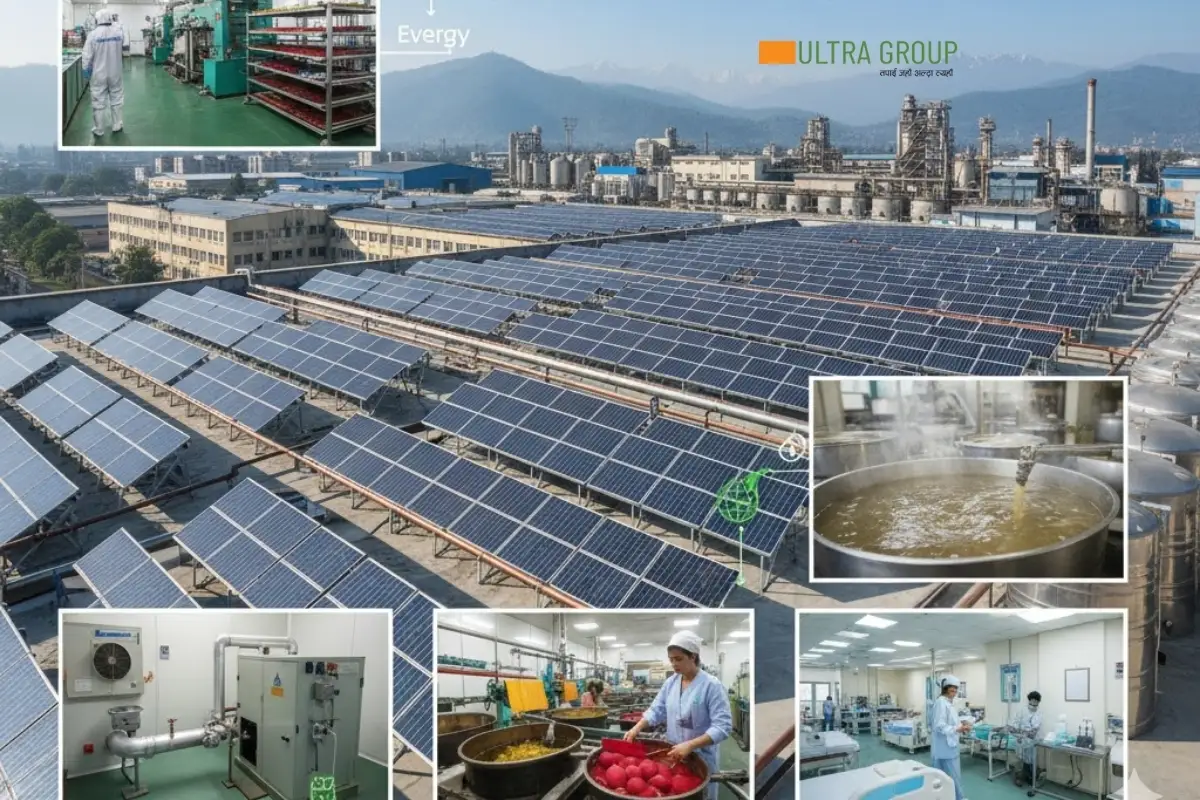
Many industries in Nepal use hot or warm water as part of their production processes. Sectors that benefit from solar water heating include:
- Food and beverage factories
- Dairy processing plants
- Textile and garment manufacturing
- Small and medium manufacturing companies
Industries often consume high amounts of energy. By switching to solar water heating, companies can reduce operational costs, improve sustainability, and maintain a stable hot water supply throughout the year.
6. Reducing Electricity and Gas Bills
During winter, households and businesses in Nepal depend heavily on geysers and gas heaters, which significantly increase utility bills. Solar water heaters help by:
- Cutting monthly electricity usage
- Reducing the demand for hydropower
- Lowering LPG cylinder consumption
Although the initial installation cost seems high, the savings over the years make solar water heaters one of the most cost-effective and economical investments.
Recommended Read: Guide to buy a solar water heater
7. Cleaner and Greener Environment
Solar energy is renewable, free, and naturally available. By using solar water heaters, Nepal can:
- Decrease carbon emissions
- Reduce pollution in cities and rural areas
- Ease pressure on hydropower dams
- Limit dependence on fossil fuels like LPG, diesel, and coal
Switching to solar heating supports Nepal’s goal of promoting clean energy and protecting the environment. A small step taken by households, businesses, and institutions can make a large impact on the country’s future.
Why Choose Ultra Group Nepal?
Ultra Group Nepal is a trusted manufacturer and supplier of solar water heaters.
Our systems are:
- Designed for Nepal’s climate and altitude
- Strong, durable, and long-lasting
- Economical for homes, hotels, and industries
- Supported by trained technicians across Nepal
Whether you need a residential solution or a large commercial system, Ultra Group Nepal provides professional installation and reliable after-sales service.
Final Thoughts
Solar water heaters offer many benefits for Nepali families, businesses, schools, and industries. They provide clean and free energy from the sun, reduce monthly expenses, and ensure hot water even during load-shedding. As Nepal moves toward greener living, solar heating is becoming one of the most important technologies for homes and organizations.
Switching to a solar water heater from a trusted brand like Ultra Group Nepal is a practical and smart choice for long-term comfort, savings, and sustainability. Contact us today to install your solar water heater.
Frequently Asked Questions
Yes. Nepal receives enough sunlight even in winter, so solar heaters continue to heat water. High-quality systems also store heat for longer.
Yes. The insulated tank stores hot water during the day, so you can use it at night or early morning.
No. Solar heaters work without electricity. Some systems may use a small electric backup during long cloudy days.
They can be installed in houses, hotels, hostels, hospitals, factories, and anywhere hot water is required daily.
The initial cost is higher, but the long-term savings on electricity and gas make it more affordable over time.


