


Let’s be honest, solar water heaters have become a total lifesaver for homes and businesses across Nepal. They are the ultimate way to slash those annoying electricity bills while doing something good for the planet. At the heart of these setups is the ULTRASUN Heat Tube, a high-tech vacuum tube that basically works like magic to soak up sunlight and turn it into steaming hot water for your morning shower.
But here’s the thing: as impressive as these tubes are, they aren’t exactly “set it and forget it” gadgets. Because they deal with intense heat and high pressure every single day, they need a bit of respect and some regular TLC. Cutting corners on basic safety isn’t worth it, it can lead to shattered glass, expensive repair bills, or even painful burns.
This guide is all about the essential safety precautions when using heating tubes so you can keep the hot water flowing and your family safe.
Why Safety Precautions Are Important While Using a Solar Heating Tube?
A solar heating tube might look like a simple piece of glass, but it is actually a high-performance thermal engine. Inside that vacuum-sealed glass is a copper heat pipe that can reach temperatures well over 200°C. When you’re dealing with that kind of energy, a little bit of caution goes a long way.
At Ultra Group Nepal, we’ve seen that ignoring safety precautions when using heating tubes doesn’t just lower your water temperature; it can lead to some pretty serious issues:
- Severe Burns or Scalds: Because the ULTRASUN Heat Tube is so efficient, the water and steam inside can become dangerously hot. If a pipe bursts or a valve fails, the risk of scalding is very real.
- Shattering Fragile Tubes: These tubes are made of borosilicate glass. They are strong, but “thermal shock” (like pouring cold water on a hot tube) can cause them to explode into shards. Treating them with the same care as laboratory test tube safety is essential.
- Fluid Leakage: Many high-end tubes use heat transfer fluids (like glycol). A crack or a loose seal can lead to leaks, which stop the heat transfer and can even damage your roof or tank insulation.
- System Failure: If a tube loses its vacuum (the silver tip turns white), your insulation resistance heating tube performance drops to zero. Your system will have to work twice as hard for half the results.
Following these heating tube installation guidelines isn’t just about being “extra careful”, it’s about protecting your investment and your family.
Top Safety Precautions When Using Heating Tubes of Solar Water Heater
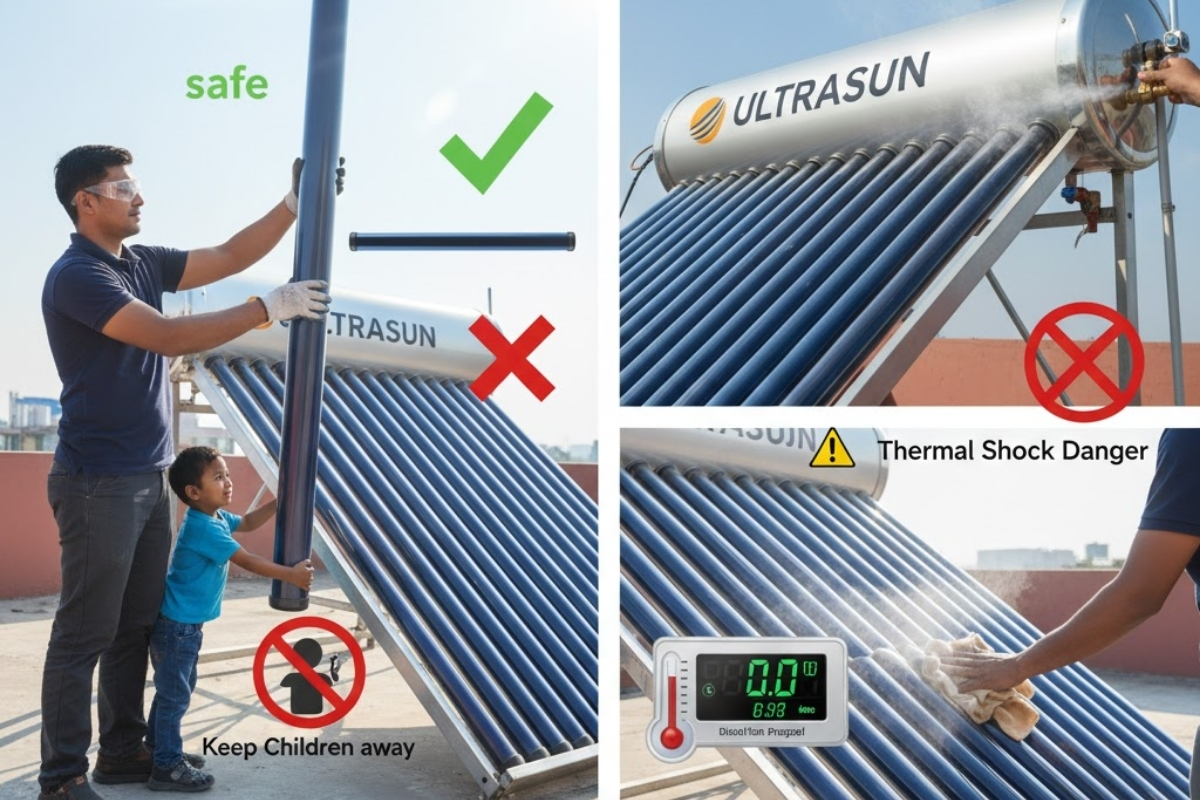
When it comes to solar gear, safety isn’t just a “nice to have”—it’s a top priority. Because these tubes are high-tech instruments built to trap massive amounts of heat, they need to be handled with a bit of respect. Following these specific precautions will keep you safe and ensure your system stays in peak condition for years.
1. Handle Tubes with Care
Most solar heating tubes are made of borosilicate glass. It’s tough stuff designed to handle extreme heat, but at the end of the day, it’s still glass and can be surprisingly fragile if you’re not careful.
Here’s how to handle them like a pro:
- Avoid Physical Impact: It sounds obvious, but even a tiny “clink” against the metal frame can be a disaster. Avoid dropping, striking, or applying uneven pressure. A hairline fracture is all it takes to ruin the vacuum seal and turn your high-tech tube into a useless glass pipe.
- Wear Your “Safety Suit”: Think of this like a lab experiment. Always wear protective gloves and safety goggles. Because these are vacuum tubes, if one breaks, it doesn’t just crack, it can “implode” inward, sending sharp shards flying in every direction.
- Lift Vertically, Not Horizontally: Here’s a pro tip: always carry and lift the tubes vertically. Moving them horizontally puts a weird amount of stress on the glass and can cause the internal copper heat pipe to shift, which might damage the tube from the inside out.
- The Pre-Game Inspection: Always give your tubes a quick once-over before installation. Even the tiniest crack will let air in, killing the tube’s efficiency and eventually causing the whole element to fail.
2. Avoid Extreme Temperature Changes (The "Thermal Shock" Trap)
Solar heating tubes are made of high-quality glass, but they still have a major weakness: sudden temperature swings. Just like a glass baking dish might shatter if you pull it out of a hot oven and run it under cold water, these tubes can experience “thermal shock.” If the glass expands or contracts too fast, it will crack or even explode.
To keep your tubes in one piece, follow these rules:
- The Golden Rule of Filling: Never, ever pour cold water into a hot, dry tube. If your system has been sitting empty under the Nepal sun, the inside can reach over 250°C. Adding cold water at that point will shatter the glass instantly. The safest move? Only fill or top up your water in the early morning (before sunrise) or late evening (at least two hours after sunset) once the tubes have had a chance to breathe and cool down.
- Watch Out for “Jump-Scare” Sunlight: Try not to install your system in a spot where the tubes stay chilled in deep shade and then suddenly get blasted by intense, direct sunlight. While borosilicate glass is tough, these constant “hot-to-cold” cycles stress the material over time and shorten its lifespan.
- Patience is a Virtue (Gradual Heating): If you’re restarting your system after it’s been off for a long time, don’t just let it bake immediately. Cover the tubes with a cloth or some cardboard for the first few hours. This slows down the heating process and lets the system “wake up” gradually without the stress of a sudden heat spike.
Why does it matter? Thermal shock doesn’t just break the glass; it kills the vacuum seal. That seal is the secret to your heater’s efficiency, so protecting it is the best way to ensure you actually get that free hot water you’re looking for.
Recommended Read: Maintenance Tips for Solar Water Heater
3. Install Proper Supports and Mounts
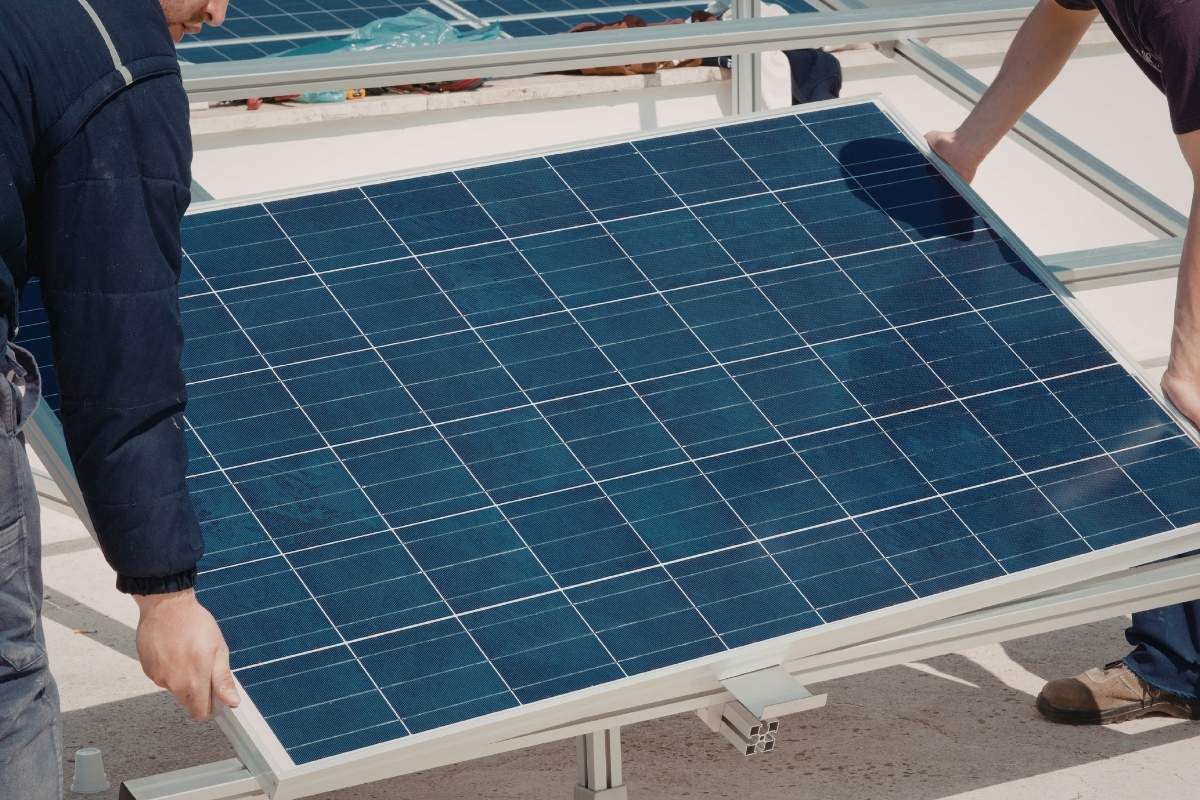
Correct installation isn’t just about getting the best performance; it’s a major safety requirement. Because a full solar water heater is incredibly heavy, a weak foundation can lead to a catastrophic collapse.
- Use Heavy-Duty Brackets: Always secure your heating tubes using strong, durable brackets. These mounts keep the tubes stable during high winds or minor tremors, preventing them from sliding out of the manifold.
- Follow the Angle Guidelines: Make sure your mounting angle follows the manufacturer’s exact guidelines. This isn’t just for absorbing sunlight—it ensures that the internal heat pipe functions correctly and that rainwater or debris doesn’t pool in areas that could cause corrosion.
- Verify Load Capacity: Before installation, double-check that your roof or mounting frame can handle the total weight. Remember, the weight of the system increases significantly once the tank and tubes are filled with water. A standard 200-liter system can weigh over 300kg when full.
- Prevent Accidental Falls: Proper support acts as your primary defense against accidental falls and tube breakage. A loose tube is a falling hazard that can cause serious injury or property damage.
You can purchase Solar water heater heating tube from ultra estore.
4. Regular Maintenance and Cleaning
Keeping your heating tubes in top shape is about more than just getting hot water; it’s one of the best ways to ensure the system remains safe. Over time, environmental factors can wear down even the best gear, so a little bit of upkeep goes a long way.
- Keep It Clean: Dust, dirt, and bird droppings can accumulate on the glass. This doesn’t just block the sun—it can create “hot spots” where heat is absorbed unevenly. Regularly wipe down the tubes with a soft cloth and plain water, but remember: only clean them when they are cool (early morning) to avoid cracking the glass.
- Mineral and Scale Removal: In areas like the Kathmandu Valley with hard water, minerals can build up inside the manifold where the tubes connect. This scale acts like an insulator, trapping heat inside the tube and causing it to overheat. Periodic descaling is vital for both safety and efficiency.
- The Visual Inspection: Every few months, take a quick look at your tubes. You are looking for:
- Cracks: Even tiny “spiderweb” fractures.
- Discoloration: If the silver tip at the bottom turns white or clear, the vacuum is gone.
- Leakage: Check for dampness around the seals where the tubes enter the tank.
- Replace Damaged Tubes Immediately: If you spot a tube that is cracked or has lost its vacuum, don’t wait. A compromised tube can overheat the surrounding components or even shatter unexpectedly. Replacing it early prevents a small problem from becoming a major accident.
Recommended Read: Advantages and Disadvantages of Solar Water Heater
5. Avoid Direct Contact With Hot Tubes
It is easy to forget just how much thermal energy these tubes collect. During peak sunlight, the surface of the heating tubes and especially the copper components can reach temperatures above 80°C (176°F), while internal parts can be much hotter. To stay safe:
- Bare Hand Warning: Never touch the tubes or the manifold connections with bare hands while the system is in use. Even on a partially cloudy day, the vacuum technology is so efficient that the internal heat can cause instant burns.
- Keep Children and Pets Away: Ensure that the installation area is off-limits to children and pets. The combination of high heat and fragile glass makes the rooftop setup a hazard for anyone unaware of the risks.
- Use Proper Protection: If you need to inspect or handle the tubes, always use insulated handles or heat-resistant coverings. Treating the tubes with the same caution you would use for a hot stove is the best way to prevent painful burns or scalding.
6. Protect Tubes From External Damage

Even though borosilicate glass is toughened, it can still be vulnerable to external impacts from nature or nearby objects. Protecting the tubes from the environment is essential for avoiding sudden system failure.
- Install Protective Guards: If you live in an area prone to heavy hail, falling debris, or high-velocity winds, consider installing a specialized mesh or protective guard. This adds a layer of defense without significantly blocking the sunlight.
- Keep the Area Clear: Never lean ladders against the tubes or place heavy objects (like spare tiles or water tanks) near the installation area. A single slip could result in a chain reaction of broken glass.
- Manage Landscaping: Trim any overhanging tree branches that could snap during a storm or high winds and fall directly onto the system. Falling branches are one of the most common causes of shattered tubes in residential areas.
- Be Proactive: It is much easier and cheaper to trim a branch or move a heavy object today than it is to replace an entire set of heating tubes tomorrow. Prevention is always better than costly repairs.
7. Follow Manufacturer Guidelines
The most reliable way to stay safe is to follow the roadmap provided by the people who built the system. Every solar water heater has specific tolerances, and straying from them can void your warranty or create a safety hazard.
- Use Recommended Fluids and Accessories: If your system uses a heat transfer fluid (like glycol), only use the specific type recommended by the manufacturer. Using the wrong fluid can cause internal pressure issues or even corrode the copper heat pipes.
- Stick to the Schedule: Manufacturers provide maintenance intervals for a reason. Following their suggested schedule for checking the sacrificial anode, pressure valves, and vacuum seals ensures that safety components don’t fail when you need them most.
- Avoid Unauthorized DIY Repairs: While basic cleaning is fine, do not attempt to disassemble the manifold or repair internal components unless you are certified. Solar systems involve high pressure and high-voltage electrical backups; a mistake here can lead to leaks, shocks, or system failure.
- Safety by Design: Remember, manufacturer guidelines aren’t just rules—they are designed to maximize both the efficiency and the lifespan of your system.
Recommended Read: Solar Water Heater vs Electric Geysers
Final Thoughts
Using heating tubes in solar water heaters safely is essential for protecting both the users and the system itself. By handling tubes with care, avoiding thermal shocks, ensuring a professional installation, and staying consistent with maintenance, you can ensure your system remains a safe and reliable source of hot water for years to come.
Remember, a solar water heater is a long-term investment. By following these manufacturer instructions and safety protocols, you aren’t just preventing accidents, you are maximizing the efficiency of your system. Invest in safety today to enjoy the full benefits of solar energy tomorrow.
Contact Ultra Group Nepal for the best heating tubes for solar water heaters.
FAQ
Extremely rarely. Shattering usually happens due to “dry-burning” (pouring cold water into an empty, sun-baked tube) or a blocked air vent causing pressure buildup. Regular maintenance keeps this risk near zero.
Every 3 to 6 months is the sweet spot. If you’re in a dusty area or near a construction site, you’ll need to wipe them more often to keep your water hot and your efficiency high.
It’s best to keep them away. The tubes reach scalding temperatures that cause instant burns, and the fragile glass can shatter and cause injury if accidentally hit during play.
Stop the water supply and replace it immediately. Using a broken tube kills your system’s efficiency and can lead to more expensive manifold damage or total pressure loss.
No. Quality varies by brand. Factors like glass thickness and internal tech (like heat pipes vs. water-in-tube) change how a system handles stress. Always follow the specific guide for your model to stay safe.


